Japanese leather goods have quietly earned a global reputation for unmatched craftsmanship, honest materials, and a beauty that only deepens with time. Whether you’re eyeing your first Japanese wallet or planning to invest in a handcrafted bag from a Tokyo atelier, knowing what to look for — and where to find it — makes all the difference. This guide walks you through everything a beginner needs to know before buying.
From the vegetable-tanned hides of Tochigi and Himeji to legendary names like GANZO and HERZ, Japan’s leather tradition spans over 2,000 years of craft. In a market flooded with imitations and fast fashion, Japanese leather stands apart — and once you understand why, you’ll never settle for less.
📋 Table of Contents
- Why Japanese Leather? The Craft Philosophy Behind It
- Key Leather Types Used in Japan
- What to Look For When Buying
- Top Japanese Leather Brands for Beginners
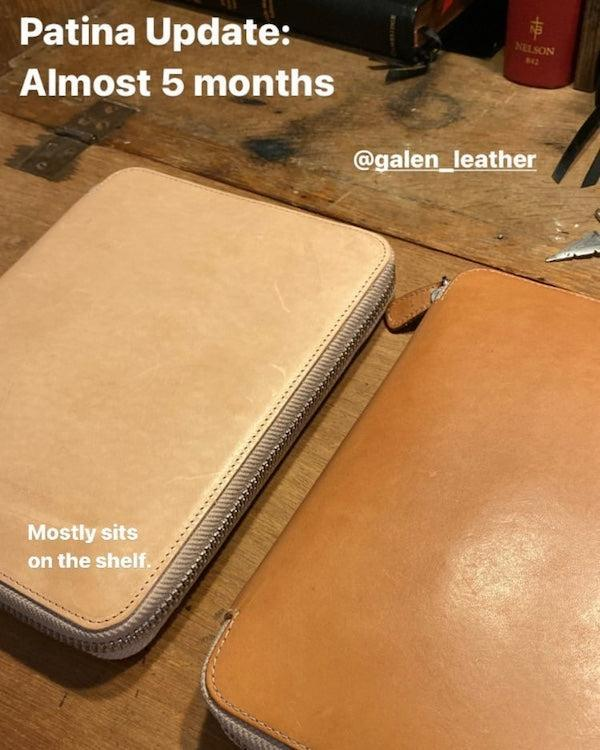
- The Magic of Patina: How Japanese Leather Ages
- Where to Buy Japanese Leather Goods (Online & Overseas)
- Basic Care Tips to Make Your Leather Last a Lifetime
- Recommended Products
- FAQ
🇯🇵 Why Japanese Leather? The Craft Philosophy Behind It
Japan has been producing leather for over 2,000 years. Today, those centuries of skill are concentrated with the tanners and craftspeople of regions like Hyogo Prefecture (Himeji) and Tochigi Prefecture — together responsible for the majority of Japan’s finest tanned hides.
What sets Japanese leather apart is not just technique — it’s philosophy. Japanese artisans approach leatherwork through the lens of monozukuri (the art of making things well) and wabi-sabi (the appreciation of imperfection and aging). This means:
- Natural materials are respected, not masked. Grain patterns, pores, and small marks are features, not flaws.
- Minimalist function-first design. Japanese goods prioritize usability and longevity over flashy branding.
- Every step is done with intention. From cutting to edge-burnishing, no stage is rushed.
💡 Did you know? The region of Hyogo alone is responsible for over 70% of Japan’s leather production, with artisans working with materials as varied as deer, boar, and ostrich hide. Several Hyogo craftspeople have even been featured at Paris Fashion Week.
🐄 Key Leather Types Used in Japan
Understanding leather types is the first step to becoming a confident buyer. Here are the most important ones used by Japanese craftspeople:
1. Vegetable-Tanned Leather (植物タンニン鞣し)
This is the gold standard in Japanese leather. The tanning process uses natural plant tannins from bark rather than synthetic chemicals — a process that takes weeks instead of days. The result is a firm, dense leather that develops a rich patina over time, becoming more beautiful the more you use it.
Key regions for vegetable-tanned leather:
- Tochigi Leather — Smooth, firm texture; famous for rich caramel aging tones
- Himeji Leather (Hyogo) — Traditionally hand-tanned with natural oils; flexible with a matte finish
- Shonan Leather — Premium, reactive leather prized for graceful, elegant aging
2. Shell Cordovan
Sourced from the hindquarters of horses, shell cordovan is among the rarest and most durable leathers in the world. In Japan, brands like GANZO use cordovan from renowned tanneries including Horween (Chicago) and ROCADO (Italy), pairing it with Japanese artisan finishing techniques. It develops a mirror-like patina that is impossible to replicate artificially.
3. Bridle Leather
Originally developed for horse saddles and harnesses, bridle leather is packed with wax, making it extremely resistant to moisture and wear. Brands like GANZO source bridle leather from UK houses like Thomas Ware and J&E Sedgwick. New bridle leather appears matte; over time the wax “blooms” away to reveal a stunning sheen.
4. Full-Grain vs. Genuine Leather
⚠️ Important: “Genuine leather” is often a red flag. In Japanese quality goods, look for full-grain leather (最上級の革) — the top layer of the hide with the natural grain intact. Genuine leather typically uses lower layers of split hide, bonded with coatings that peel over time. Full-grain leather only gets better with age.
🔍 What to Look For When Buying Japanese Leather Goods
Armed with the basics, here are the specific things to check before making a purchase — whether you’re shopping online or visiting a store in Japan.
✅ Check the Leather Type and Tannery
Reputable Japanese brands will openly disclose their leather source. Ask or look for the name of the tannery — Tochigi, Himeji, Shonan, Horween, Thomas Ware. Traceability is a hallmark of quality. Vague descriptions like “genuine leather” or “real leather” without a named tannery are warning signs.
When shopping in Japan, also look for the “Japan Leather” label — this can only be used by certified members of the Tanners’ Council of Japan, guaranteeing made-in-Japan quality.
✅ Examine the Stitching
Authentic Japanese leather goods use saddle stitching — done by hand with two needles and a linen or waxed thread. Unlike machine stitching, saddle stitching will not unravel if one thread breaks. Look for:
- Even spacing and consistent tension across all stitches
- Thread that sits just above or flush with the leather surface
- Waxed or burnished thread ends (not just knotted)
✅ Inspect the Edges
The edges of a leather item reveal the maker’s commitment to craft. Premium Japanese goods feature hand-burnished edges — smooth, rounded, and sometimes painted in complementary colors. Raw or rough edges that are simply folded or glued indicate lower-quality construction.
✅ Feel the Weight and Structure
Quality vegetable-tanned leather is naturally firm and slightly stiff when new — it hasn’t been loaded with softening chemicals. A good Japanese wallet or card case should feel solid, not floppy. It will soften beautifully with use over time.
✅ Smell the Leather
Real vegetable-tanned leather smells earthy, organic, and slightly sweet — reminiscent of a woodland or old library. If the leather smells strongly chemical, plasticky, or artificial, it has been heavily processed or is not full-grain leather.
✅ Look for Natural Imperfections
Japanese craftspeople embrace the concept of wabi-sabi — they celebrate natural marks. It’s completely normal and expected to find subtle variations in grain, small pore marks (pinholes), or slight color variation in premium Japanese leather. These are not defects; they are proof of genuine full-grain material.
🏆 Top Japanese Leather Brands for Beginners
Japan has dozens of incredible leather brands, but these are the ones most accessible to international buyers — with English-friendly online stores or international shipping.
🥇 GANZO (ガンゾ) — Since 1917
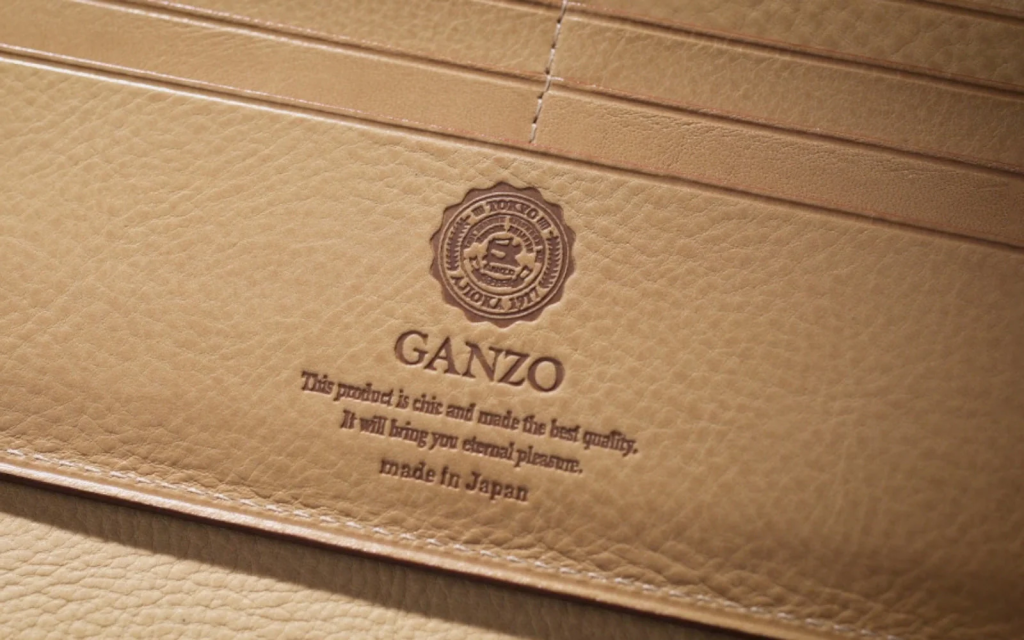
GANZO is widely considered Japan’s finest wallet maker. Founded in 1917 and based in Tokyo’s Omotesando district, every product is handmade by specialist craftspeople who follow a bespoke seven-step process: material selection, cutting, skiving, sewing, edge folding, burnishing, and finishing. GANZO sources leather from the world’s best tanneries — Horween (USA), Thomas Ware (UK), ROCADO (Italy) — and pairs them with Japanese artisan finishing.
Best for: Wallets, card cases, small leather goods
Price range: ¥30,000–¥80,000+
Ships internationally: Yes — GANZO International Shopping Guide
🥈 HERZ (ヘルツ) — Full-Grain Vegetable Tanned
HERZ is one of Japan’s most respected independent leather brands, celebrated for its full-grain, vegetable-tanned leather in a distinctive bright brown-orange hue. What makes HERZ unique is their commitment to showing every natural imperfection — blood vessel marks, scratches, uneven coloring — all proof of genuine full-grain material. Their philosophy is simple: make something durable and easy to use that you’ll carry for a lifetime.
Best for: Bags, wallets, accessories
Price range: ¥15,000–¥60,000
Website: HERZ Official
🥉 Tsuchiya Kaban (土屋鞄製造所) — Since 1965
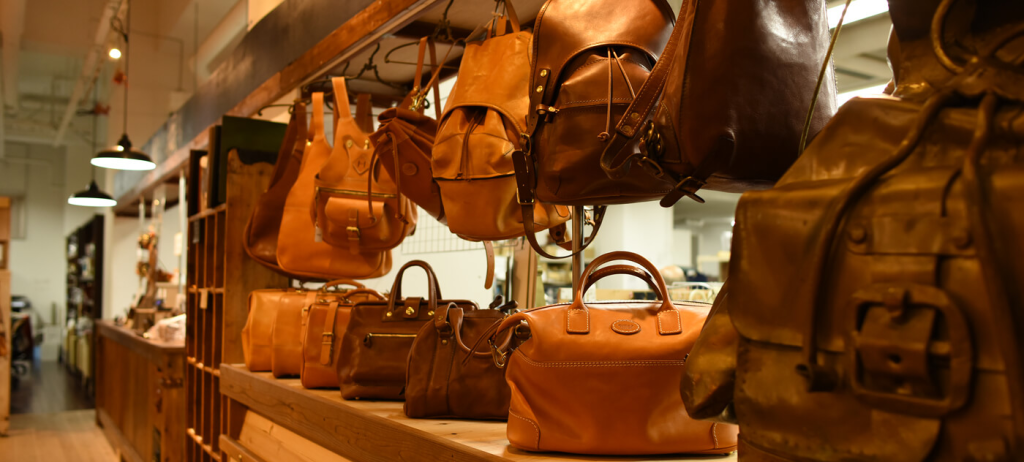
Tsuchiya Kaban started as a maker of Japanese school backpacks (randoseru) and expanded into handcrafted bags, wallets, and accessories for adults. Based in Tokyo, they are fully transparent about their production process, allowing customers to understand exactly what goes into each product. They now ship internationally through their global online store.
Best for: Bags, briefcases, wallets
Price range: ¥20,000–¥100,000+
International store: Tsuchiya Kaban Global
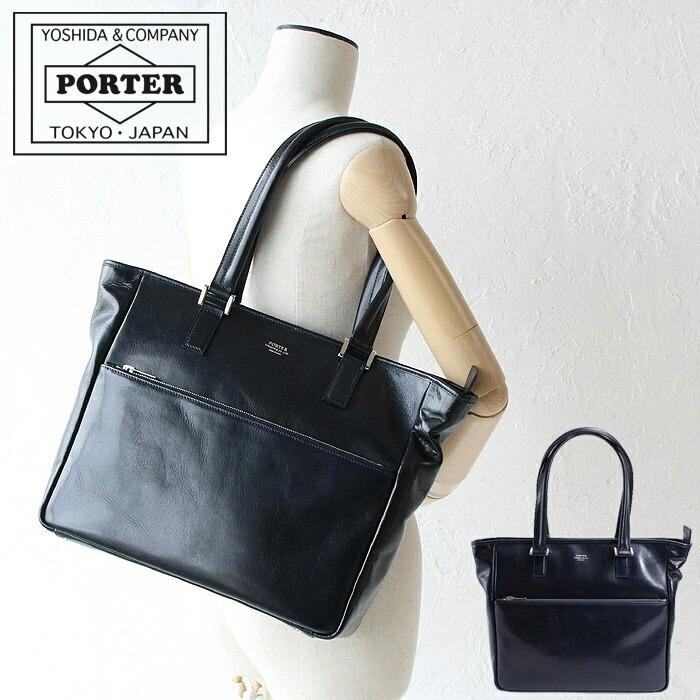
🏅 PORTER (Yoshida & Co.) — Since 1935
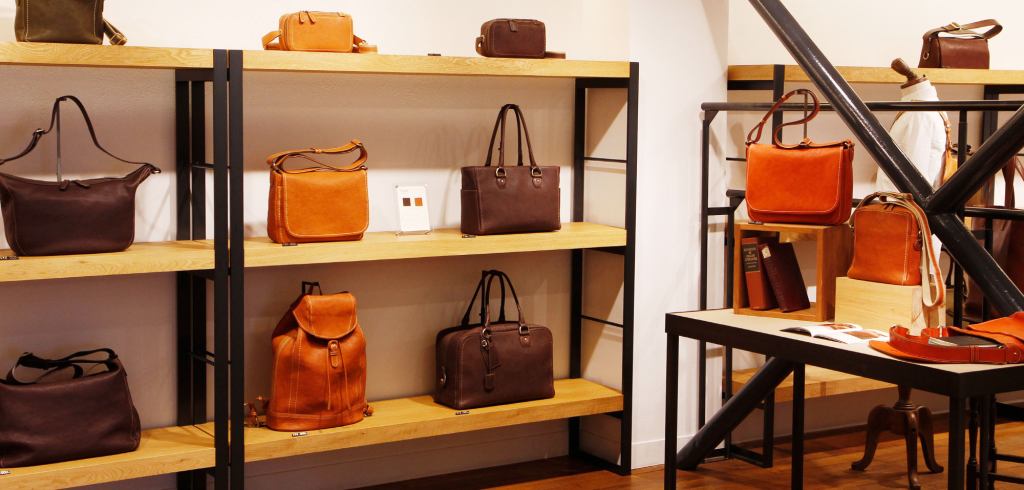
PORTER by Yoshida & Co. is probably the most globally recognized Japanese leather/bag brand. Their leather goods are praised by the Japanese Imperial Family and celebrities alike — including Empress Michiko and director Akira Kurosawa. Known for minimalist design, durability, and frequent collaborations with global brands like FRED PERRY, PORTER is an excellent entry point for international buyers.
Best for: Bags, wallets, daily carry accessories
Global availability: Available on Amazon Japan and through proxy services
✨ The Magic of Patina: How Japanese Leather Ages
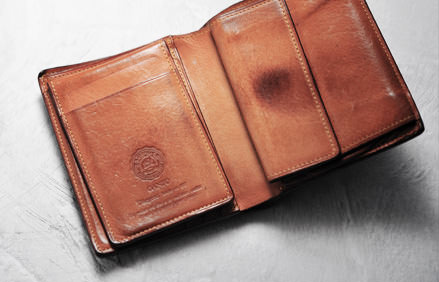
One of the most important concepts in Japanese leather culture is patina — the natural transformation of full-grain leather through everyday use. Unlike synthetic materials that wear out and deteriorate, premium leather improves with age. It darkens, softens, and develops a unique sheen that reflects your personal story.
What causes patina to develop?
- Skin oils from handling — nourish the leather and create darker, richer tones where you touch most
- Sunlight exposure — causes oxidation and a natural “tan” across the surface
- Friction from use — smooths the grain and brings up a subtle gloss
- Time and humidity — slowly transform the texture and color depth
🌿 Key insight: Vegetable-tanned leather develops a significantly richer patina than chrome-tanned leather, because it has no synthetic coatings blocking absorption. This is why Japanese craftspeople overwhelmingly prefer vegetable tanning — the aging process is part of the product’s beauty and value.
Typically, you’ll notice visible darkening after 6 months of regular use. After a year, the leather shows deeper tones and a smoother texture. After several years, the leather tells a story completely unique to you — impossible to replicate artificially.
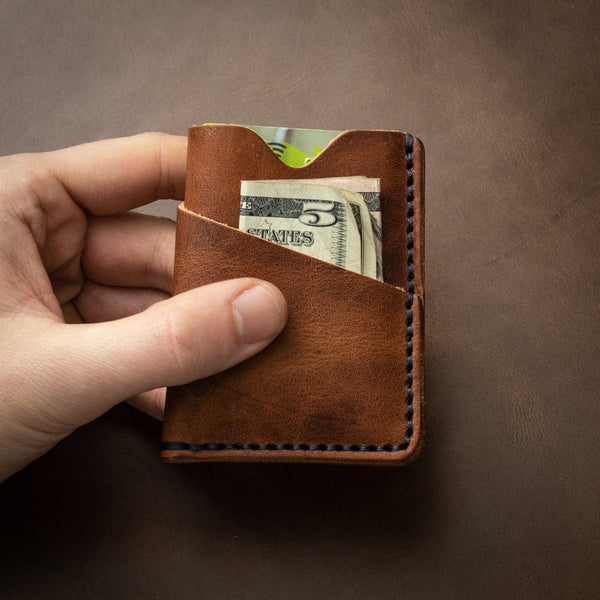
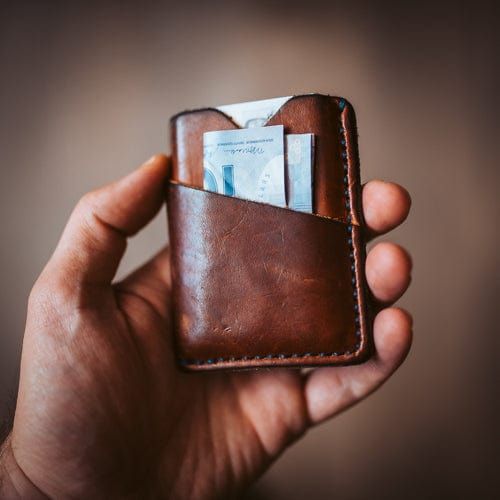
At GANZO, aged leather samples are displayed in-store alongside new products — so customers can see exactly how each leather type evolves. Scratches and wrinkles that appear over the years are described by GANZO as “evidence of an enriched life.”
🛒 Where to Buy Japanese Leather Goods (Online & Overseas)
You don’t need to fly to Japan to access these exceptional goods. Here are the best options for international buyers:
🌐 Official Brand Online Stores
Several top Japanese brands now ship internationally directly from their own websites:
- GANZO Official Store — Ships to USA and major Asian countries via EMS/UPS
- Tsuchiya Kaban Global — Handcrafted leather goods, worldwide shipping
- Bunkoya Oozeki — Traditional hand-painted Japanese leather goods, ships worldwide since 1927
🛍️ Amazon Japan (Global Shipping)
Amazon Global Japan ships to over 65 countries in English. You can find PORTER, GANZO, and many other Japanese leather brands here, often with reviews in both Japanese and English. Select “Ships Internationally” in the filter to see eligible items.
🔁 Proxy Shopping Services
For brands that don’t ship internationally directly, proxy services purchase on your behalf and ship to your address. Small handling fees (typically ¥1,000–¥2,500) apply, but they’re well worth it for access to Japan-only products:
- ZenPlus — Access to 1,000+ Japanese stores, ships to 100+ countries
- WorldShopping — Ships to 200+ countries, straightforward interface
- Buyee — One of the largest proxy services for Japanese goods including leather brands
🏪 Buying In-Store in Japan
If you’re visiting Japan, the following areas offer the best concentration of premium leather shops:
- Omotesando / Aoyama (Tokyo) — GANZO flagship store; upscale leather ateliers
- Asakusa (Tokyo) — Traditional leather craftspeople; home to historic workshops like forme
- Nihonbashi (Tokyo) — Yamatou flagship and curated leather boutiques
- Himeji (Hyogo Prefecture) — Source region for Japan’s finest hides; tannery tours available
🧴 Basic Care Tips to Make Your Leather Last a Lifetime
The good news: Japanese vegetable-tanned leather doesn’t require complicated care. A few simple habits will keep your goods looking extraordinary for decades.
Regular Conditioning
Apply a small amount of leather balm or conditioner (leather cream) every few months — or when the leather starts to look dry. Avoid petroleum-based products. Good options include Collonil 1909, Beeswax-based balms, or GANZO’s own leather care products. Conditioning keeps the leather supple and prevents cracking.
Avoid Water and Humidity
If your leather gets wet, don’t panic — blot (don’t rub) with a soft cloth immediately and allow it to air-dry naturally, away from direct heat. Repeated wetting without drying can cause staining and accelerated aging. An organic waterproofing spray can help protect against rain.
Store Properly
When not in use, store leather goods in a cool, dry place away from direct sunlight. Use a dust bag or breathable cotton cloth. Avoid plastic bags — leather needs to breathe. For bags and wallets, stuff with tissue paper to maintain shape during storage.
Embrace Natural Wear
🌿 Japanese philosophy reminder: Scratches on vegetable-tanned leather often fade with time and actually contribute to the patina’s character. HERZ and GANZO both emphasize that natural marks are not flaws — they are evidence of a life lived. Let your leather develop its story.
🛍️ Recommended Products
Here are some of the best Japanese leather goods to start your collection, available internationally through Amazon or Rakuten Global Market:
🏷️ GANZO — Vegetable-Tanned Bifold Wallet
One of GANZO’s most accessible entry-level pieces. Made with full-grain vegetable-tanned cowhide, handstitched at their Tokyo workshop. Ideal for those new to Japanese leather who want to experience the patina journey.
🔗 Search GANZO wallets on Amazon Japan
🏷️ Tsuchiya Kaban — Leather Tote / Business Bag
Tsuchiya Kaban’s leather totes and business bags are classics — beautifully structured, made from named tannery hides, and built to last a lifetime. Available directly from their global store.
🔗 Browse Tsuchiya Kaban Global Store
🏷️ PORTER — Leather Wallet or Trifold Wallet
PORTER’s leather wallets combine minimalist design with exceptional durability. Available in multiple leather types including full-grain cowhide. A reliable, globally-recognized choice for newcomers.
🔗 Search PORTER leather goods on Amazon Japan
🔗 Search PORTER on Rakuten Global Market
🏷️ HERZ — Handmade Leather Bag or Wallet
HERZ products are available through proxy services and select international retailers. Their full-grain vegetable-tanned wallets and bags are among the most coveted for patina enthusiasts.
🔗 HERZ Official Website
🔗 Search HERZ on Rakuten Global Market
❓ Frequently Asked Questions (FAQ)
Q: Is Japanese leather worth the high price?
A: Yes — for a specific kind of buyer. If you want a mass-market item you’ll replace in a few years, Japanese artisan leather isn’t for you. But if you want something that will last 20–30+ years, look better with age, and feel completely personal, the long-term value is exceptional. A ¥50,000 GANZO wallet used for 25 years costs far less per use than a ¥5,000 wallet replaced every 2 years.
Q: What’s the difference between chrome-tanned and vegetable-tanned leather?
A: Chrome tanning uses chromium sulfate chemicals and takes 1–2 days. The result is soft, consistent leather that resists water well — but it doesn’t develop a patina meaningfully. Vegetable tanning uses plant-based tannins and takes weeks. The result is firmer leather that ages beautifully with use. Most premium Japanese leather goods use vegetable tanning.
Q: Can I order from Japan if I don’t speak Japanese?
A: Absolutely. Many top brands — GANZO, Tsuchiya Kaban, Bunkoya Oozeki — now have English-language international stores. For brands that don’t, proxy services like ZenPlus and Buyee handle everything in English, including communication with the seller.
Q: How do I know if a Japanese leather product is authentic?
A: Look for named tanneries, clear production documentation, and “Made in Japan” labeling from certified members of the Tanners’ Council of Japan (the “Japan Leather” label). Authentic products will show natural grain variation, smell earthy and organic, and feel firm but not plasticky. Buy directly from official brand stores or trusted retailers when possible.
Q: What’s a good first Japanese leather purchase?
A: A wallet or card case is perfect for beginners. It’s affordable relative to bags, you’ll use it daily (accelerating the patina journey), and it lets you experience the quality firsthand. GANZO’s entry-level wallets and HERZ card cases are both excellent starting points. PORTER’s leather wallets offer great value at a slightly lower price point.
Q: How should I care for new vegetable-tanned Japanese leather?
A: For the first few weeks, simply use it daily. The natural oils from your hands are the best conditioner. After 1–2 months, apply a small amount of leather balm if it feels dry. Avoid heavy conditioning at the start — new veg-tan leather is intentionally firm and will soften naturally with use.
📚 Related Articles
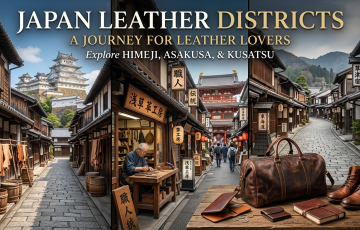
・Visiting Japan’s Leather Districts
・Tochigi vs Himeji Leather
・Why Japanese Leather Is Different
📌 Final Thoughts: Japanese leather goods represent one of the world’s great craft traditions — one that rewards patience, appreciation, and daily use. Start with something small, use it every day, and watch it transform into something entirely your own. That’s the true promise of Japanese leather.
Have questions about specific brands or products? Drop a comment below — we’re happy to help guide your first purchase.
▶ Related: Tochigi vs Himeji Leather
▶ Related: Shell Cordovan from Japan: Shinki Hikaku
▶ Related: Why Japanese Leather Is Different
▶ Related: Tochigi vs Himeji Leather
▶ Related: Shell Cordovan from Japan: Shinki Hikaku
▶ Related: Why Japanese Leather Is Different
▎ 編集部からのお願い
こんな革製品が欲しい、というご要望ありませんか?
Leather Noteでは公式ショップで取り扱う革製品の企画を進めています。「こういうアイテムが本革で欲しい」というアイデアやリクエストがありましたら、ぜひ気軽にお寄せください。
記事の感想やご意見も同フォームから受け付けています。